




Enterprise Solutions Services

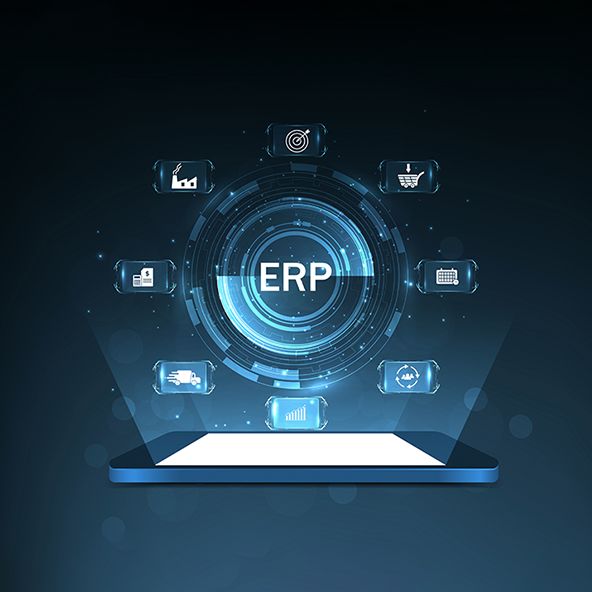
IT Enterprise Solutions Services
In today’s rapidly evolving business landscape, enterprises must continuously adapt, innovate, and optimize to stay competitive. Enterprise Solutions Services provide comprehensive, integrated solutions designed to streamline operations, enhance collaboration, and drive business efficiency. These solutions address the unique challenges faced by large organizations by automating processes, improving data management, and enhancing overall performance.
At i-Soft, we specialize in delivering scalable, secure, and customized enterprise solutions that empower businesses to operate more efficiently while maintaining agility in an ever-changing market. Our services encompass a wide range of cutting-edge technologies, including Enterprise Resource Planning (ERP), Customer Relationship Management (CRM), Business Intelligence (BI), Cloud Computing, and AI-driven automation.
By leveraging our expertise, organizations can optimize workflows, strengthen data security, enhance decision-making, and boost productivity—all while ensuring seamless integration with existing systems. Whether it’s modernizing legacy infrastructure, enabling digital transformation, or implementing intelligent automation, i-Soft provides tailored enterprise solutions that drive long-term success.

Key Components of Enterprise Solutions Services
1. Enterprise Resource Planning (ERP)
Definition: ERP systems integrate core business processes, such as finance, human resources, procurement, and supply chain, into a unified platform. This facilitates real-time data access and enhances decision-making.
Benefits: Improved efficiency, enhanced collaboration, streamlined workflows, and better data-driven decision-making.
2. Customer Relationship Management (CRM)
Definition: CRM solutions focus on managing interactions with customers, optimizing sales processes, and improving customer satisfaction. They centralize customer data for a holistic view of relationships.
Benefits: Increased customer retention, targeted marketing, improved sales processes, and personalized customer experiences.
3. Business Intelligence and Analytics
Definition: Business intelligence tools gather, process, and analyze data to provide actionable insights. Analytics empower enterprises to make informed decisions and identify trends.
Benefits: Data-driven decision-making, predictive analysis, identification of market trends, and improved overall business strategy.
4. Collaboration Tools and Intranet Solutions
Definition: These tools enhance communication and collaboration within the organization. Features may include document sharing, project management, and internal social networks.
Benefits: Increased team productivity, streamlined communication, and improved knowledge sharing.
5. Security and Compliance Solutions
Definition: With the increasing threat landscape, enterprise solutions must prioritize cybersecurity and compliance. This includes data protection, access controls, and regulatory adherence. Benefits: Protection against cyber threats, compliance with industry regulations, and safeguarding sensitive data.
Implementation Process
Implementing Enterprise Solutions Services involves a structured approach
Assessment and Planning: Understand the organization's unique needs and goals.
Customization: Tailor solutions to align with specific business processes.
Integration: Seamlessly integrate new solutions with existing systems.
Monitoring and Optimization: Continuously monitor performance and optimize solutions for maximum efficiency.